Latest
United States · 2026 · Pre-election coverage
2026 U.S. Midterm Elections
The Associated Press projected Everton Blair won Georgia's House District 13 special runoff to finish the late Rep.
Read the full campaign status
The Associated Press projected Everton Blair won Georgia's House District 13 special runoff to finish the late Rep. David Scott's term, while polls closed in South Carolina's Senate special Republican runoff between Darline Graham and Ralph Norman; Emerson's latest national generic-ballot poll reports Democrats at 51 percent and Republicans at 43 percent among likely voters.
The cycle in plain English
Where things stand
Already happened
4 contests were scheduled on the latest completed date.See the latest reported outcomeHappening now
AP projects Wahab wins California House District 14 special electionSee the latest reported countUp next
Georgia House District 13 special runoff · Oklahoma runoff-primary election · South Carolina Senate special runoffSee every remaining date
Current chamber balance
R holds. D needs 6.
Four seats were vacant in the House source update.
Seat source as of Jun 23. House Radio-TV Gallery
| Party | Seats |
|---|---|
| Republican | 218 |
| Democratic | 212 |
| Independent | 1 |
| To control | 218 of 435 |
R holds by 2. D caucus needs 4.
The two independents caucus with Democrats.
Seat source as of Jul 14. U.S. Senate Daily Press
| Party | Seats |
|---|---|
| Republican | 53 |
| Democratic | 45 |
| Independent | 2 |
| To control | 51 of 100 |
3 latest individual polls
Polling snapshot
| Pollster | Population | D | R | Spread | MOE | Field |
|---|---|---|---|---|---|---|
| Emerson | likely voters | 51 | 43 | D+8 | ±3 | Aug 16 to Aug 17 |
| Ipsos | registered voters | 41 | 36 | D+5 | ±3.4 | Aug 14 to Aug 17 |
| YouGov | registered voters | 46 | 40 | D+6 | ±3.2 | Aug 7 to Aug 10 |
Same 0 to 100 scale. Every poll remains separate; no average or forecast is calculated. Broad-left and broad-right views of the generic ballot
Browse 15 tracked races · Read every poll separately · See the election calendar
24 items · newest first
Headlines
Campaign developments in publication order, with a direct link to every source. RSS
Primary
AP projects Blair wins Georgia House District 13 special runoff
The Associated Press projected that Everton Blair defeated Marcye Scott in Georgia's 13th Congressional District special runoff election to serve the remainder of the late Rep. David Scott's term through January 2027.
CBS NewsPrimary
AP projects Wahab wins California House District 14 special election
The Associated Press projected that state Sen. Aisha Wahab defeated fellow Democrat Melissa Hernandez in the special election to finish former Rep. Eric Swalwell's term, which runs through Jan. 3. With more than 95 percent of the vote counted, AP and multiple outlets reported Wahab led Hernandez 53 percent to 47 percent.
Associated Press (via CBS News San Francisco)Campaign
Nixon's Florida upset sharpens a Democratic strategy debate
AP reported that democratic socialist Angie Nixon defeated the better-funded, moderate Alex Vindman for Florida's Democratic Senate nomination. The result opened a debate over whether an economic-populist campaign can expand turnout without losing moderates in November.
Associated PressEarlier headlines (21)
Sullivan, Peltola, Begich and Hill advance in Alaska
AP reported that Sen. Dan Sullivan and former Rep. Mary Peltola advanced in Alaska's top-four U.S. Senate primary. Rep. Nick Begich and independent Bill Hill advanced in the top-four U.S. House primary. AP said it remained too early to call all four qualifiers in either race.
Associated PressAP confirms major August 18 primary outcomes in three states
Angie Nixon and Ashley Moody advanced to Florida's Senate election, while Byron Donalds and David Jolly won the governor nominations. Chuck Gray and Harriet Hageman won Wyoming Republican nominations. Dan Sullivan and Mary Peltola advanced in Alaska's Senate primary, while Nick Begich and Bill Hill advanced for the House.
Associated PressAlameda updates the unofficial CA-14 special-election count
Alameda County's unofficial results, last updated at 9:54 p.m. Tuesday, show Aisha Wahab with 33,399 votes (51.04 percent) and Melissa Hernandez with 32,043 (48.96 percent), a margin of 1,356 votes. The county reports 65,757 ballots. These figures are unofficial, and no winner is declared here.
Alameda County Registrar of VotersFlorida posts unofficial governor primary totals for Donalds and Jolly
Florida Election Watch unofficial results show Byron Donalds with 809,404 votes (47.8 percent) in the Republican governor primary and David Jolly with 758,846 votes (60.98 percent) in the Democratic primary. Associated Press said Donalds and Jolly will compete in November. These Florida figures are unofficial.
Florida Election WatchFlorida posts unofficial Senate primary totals with most precincts in
Florida Election Watch unofficial results show Ashley Moody with 1,317,749 votes (79.57 percent) in the Republican U.S. Senate primary and Angie Nixon with 701,652 votes (56.01 percent) in the Democratic primary. Statewide unofficial reporting is 98.9 percent of precincts. These figures are unofficial.
Florida Election WatchAlaska, Florida, Wyoming, and CA-14 vote today
Tuesday, August 18 is Election Day for Alaska, Florida, and Wyoming primaries and for California's House District 14 special general. Official secretaries of state have not posted certified or unofficial winners as of this desk check. Results are not yet in.
Associated Press election calendarGray and Hageman win Wyoming Republican nominations
AP reported that Chuck Gray won the Republican nomination for Wyoming's lone U.S. House seat and will face Democrat Lisa Kinney. Harriet Hageman won the Republican nomination for the open U.S. Senate seat. AP also reported Eric Barlow won the Republican governor nomination.
Associated PressAlaska, Florida, and Wyoming vote on Tuesday
Voters in Alaska, Florida, and Wyoming hold primaries on August 18, including Alaska's top-four U.S. House primary. Results are not yet in.
Associated Press election calendarCalifornia House District 14 holds a special general on Tuesday
The California Secretary of State scheduled a special general election for U.S. House District 14 on August 18 after Eric Swalwell resigned. Results are not yet in.
California Secretary of StateFlorida posts Tuesday primary hours and 8 p.m. Eastern result timing
Secretary of State Cord Byrd said Florida's August 18 primary polls are open from 7:00 a.m. to 7:00 p.m. local time. Unofficial results will be posted at floridaelectionwatch.gov after 8:00 p.m. Eastern because the state spans two time zones. Results are not yet in.
Florida Department of StateSouth Carolina bars June Democratic primary voters from the Senate runoff
The South Carolina Election Commission said voters who took part in the June Democratic primary or runoff are not eligible to vote in the U.S. Senate special Republican primary runoff. Early voting still runs August 19 through 21, with Election Day on August 25.
South Carolina Election CommissionDemocratic primary turnout rises across several states
AP reported unusually high Democratic primary participation in Wisconsin and Michigan, with strong turnout earlier in Texas and Georgia.
Associated PressRussell Fry endorses Darline Graham in South Carolina runoff
The third-place finisher in the special primary backed the appointed senator over Rep. Ralph Norman.
Associated PressGeorgia opens early voting for the House District 13 runoff
The Georgia Secretary of State called a special runoff for U.S. House District 13 on August 25 if needed. County election offices said advance voting runs August 15 through 21. Results are not yet in.
Georgia Secretary of StateSouth Carolina opens early voting for the Senate runoff
The South Carolina Election Commission said early voting for the U.S. Senate special Republican primary runoff runs August 19 through 21, with Election Day on August 25.
South Carolina Election CommissionCooke advances to a House rematch with Van Orden in Wisconsin
Rebecca Cooke won the Democratic nomination in Wisconsin's 3rd Congressional District and will face Republican incumbent Derrick Van Orden in November.
Associated PressAlabama House District 2 matchup is set
Shomari Figures and Rhett Marques advanced to a November contest in a district redrawn after a Supreme Court ruling.
Associated PressBronin defeats Larson and advances to face Chai in Connecticut
Luke Bronin defeated 14-term Democratic Rep. John Larson in Connecticut's 1st Congressional District and will face Republican Amy Chai in November.
Associated PressSouth Carolina Senate special primary moves to a runoff
Darline Graham and Ralph Norman advanced to an August 25 Republican runoff for the open Senate term.
Associated PressFlanagan and Tafoya advance to Minnesota's Senate general election
Peggy Flanagan won the Democratic nomination and Michele Tafoya won the Republican nomination for Minnesota's open U.S. Senate seat.
Associated PressMississippi draws attention as the Senate map expands
Democratic nominee Scott Colom is challenging Republican Sen. Cindy Hyde-Smith as both parties reassess the size of the competitive map.
Associated Press
30 people · 15 races
Who is running
Tracked federal races and candidates. Portraits are sourced from Wikimedia; the L/R marker opens a sourced broad-left and broad-right context guide.
Senate8 races · Open

Official portrait via Wikimedia CommonsPublic domain 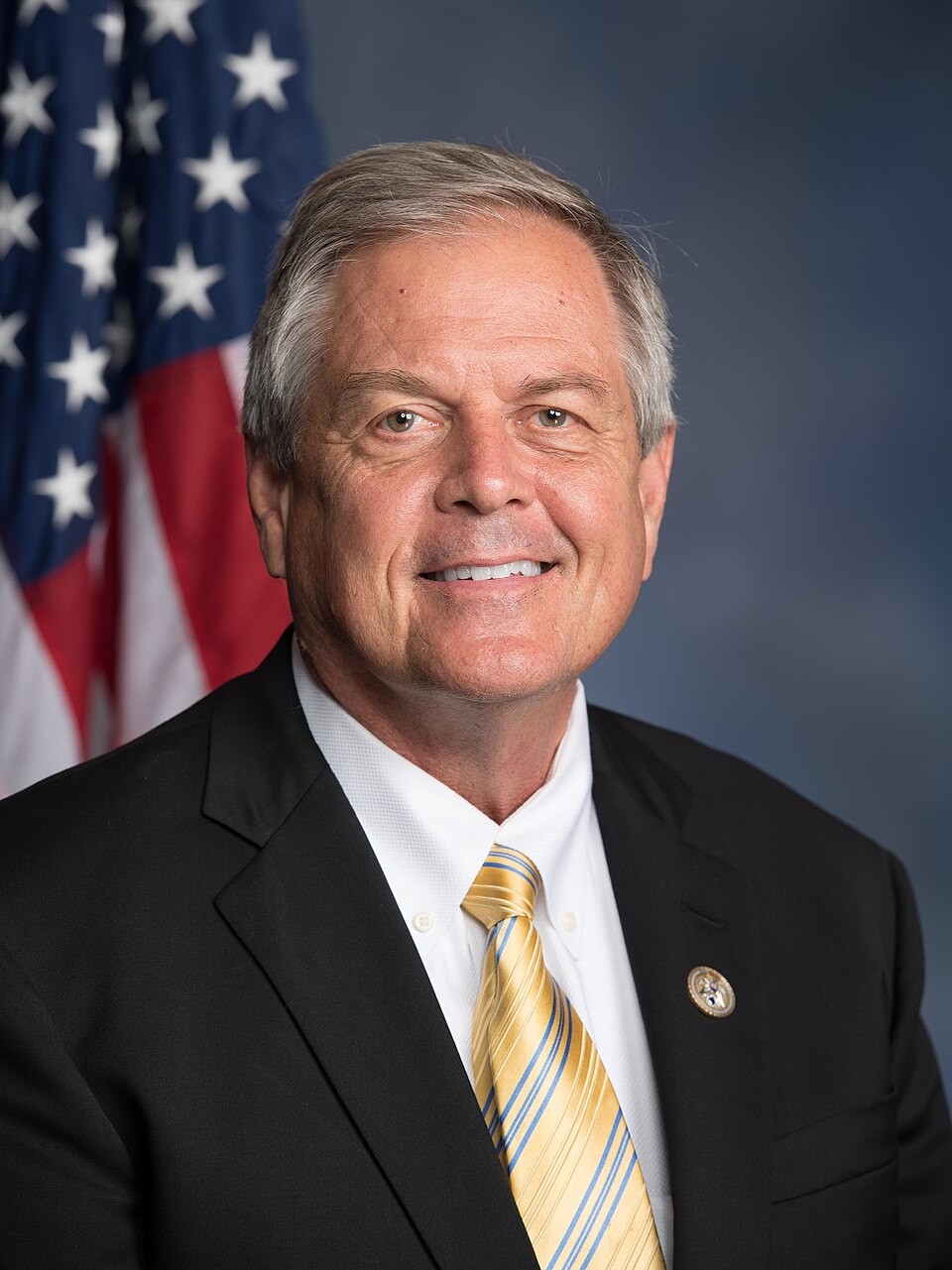
Wikimedia CommonsSee file page
.jpg)
Appointed Sen. Darline Graham and U.S. Rep. Ralph Norman advanced from a 10-candidate special primary.
Senate · General
Florida U.S. Senate
Florida House of RepresentativesPublic domain Angie NixonDem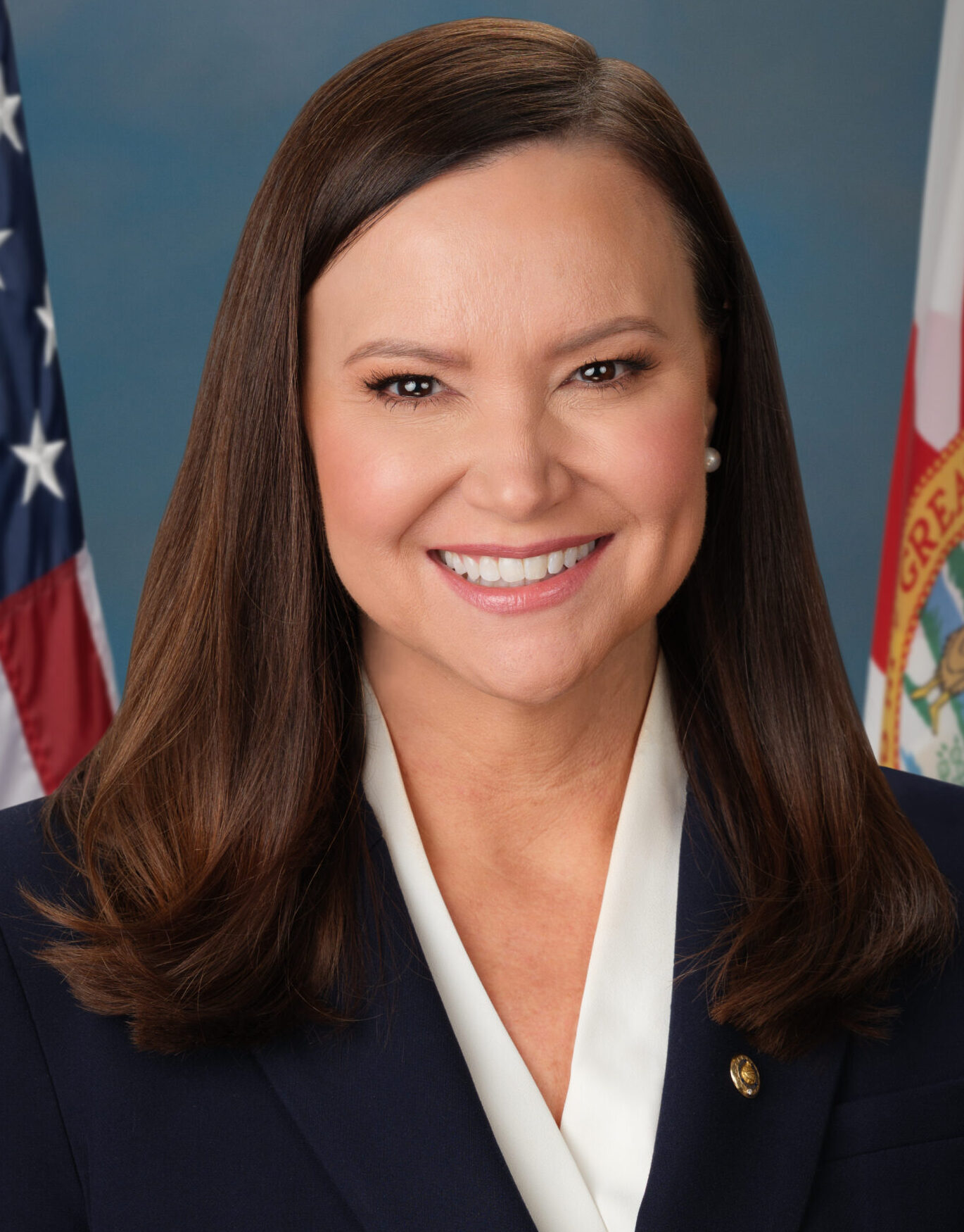
U.S. Senate Photography ServicePublic domain Ashley MoodyGOP · incumbent

.jpg)
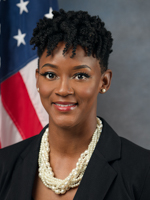
Associated Press said Ashley Moody won the Republican nomination and Angie Nixon won the Democratic nomination. Florida Election Watch unofficial totals show Moody at 79.57 percent and Nixon at 56.01 percent.

Wikimedia CommonsSee file page 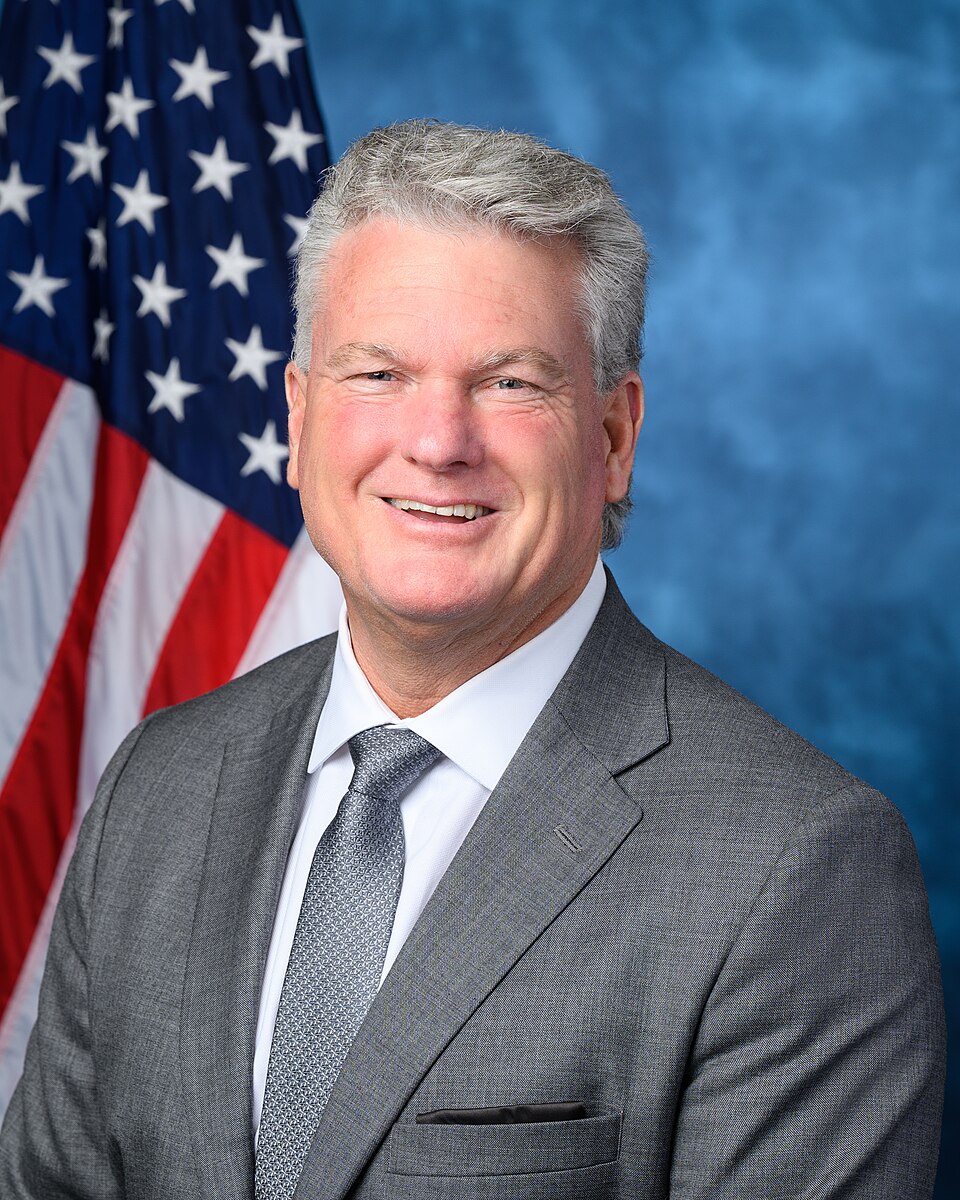
Wikimedia CommonsSee file page
Democratic Sen. Jon Ossoff will face Republican Rep. Mike Collins.
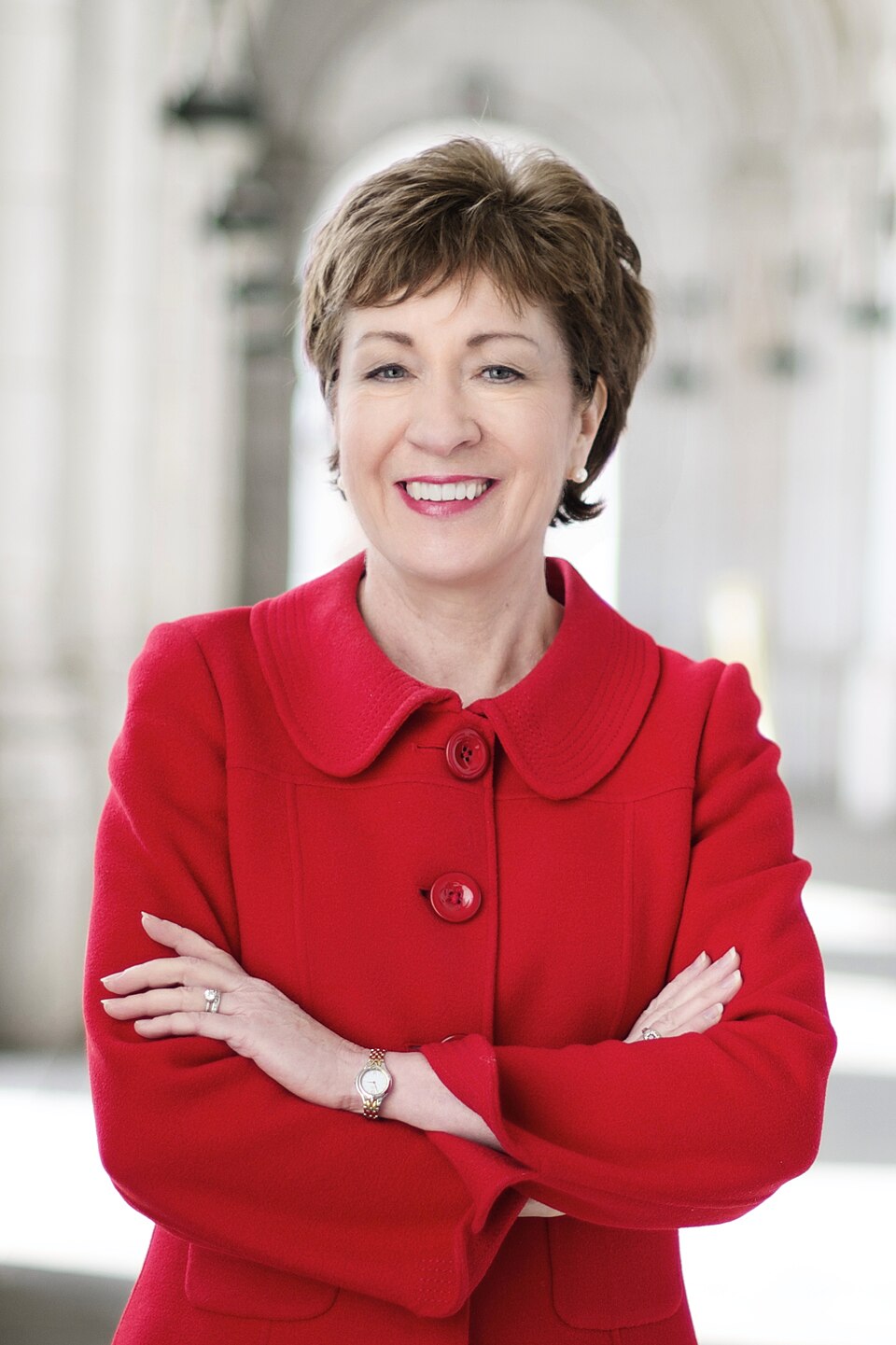
Wikimedia CommonsSee file page 
Wikimedia CommonsSee file page
Republican Sen. Susan Collins will face Democratic former state Senate President Troy Jackson.
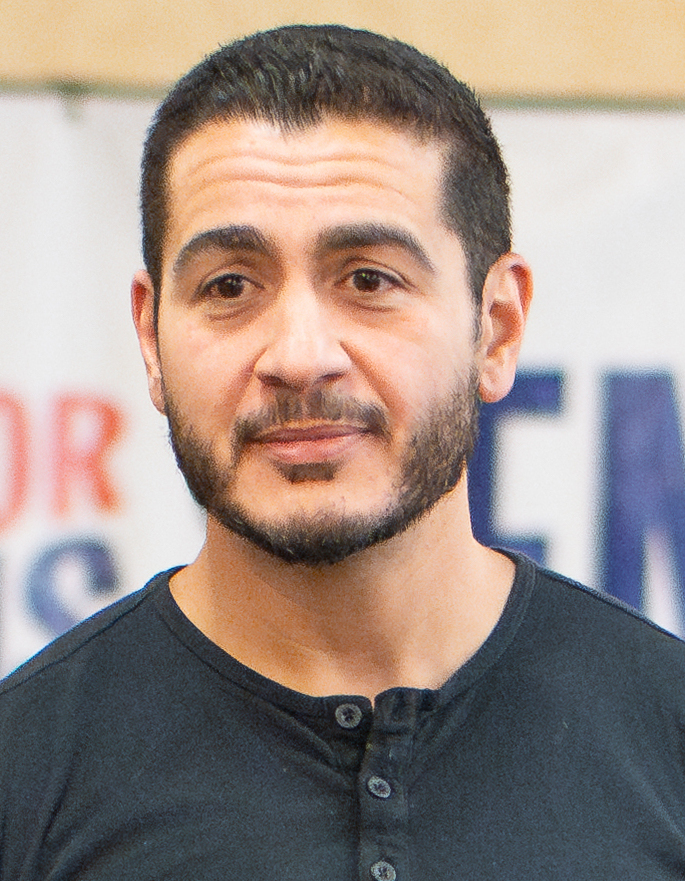
Conlan HoustonCC BY-SA 4.0 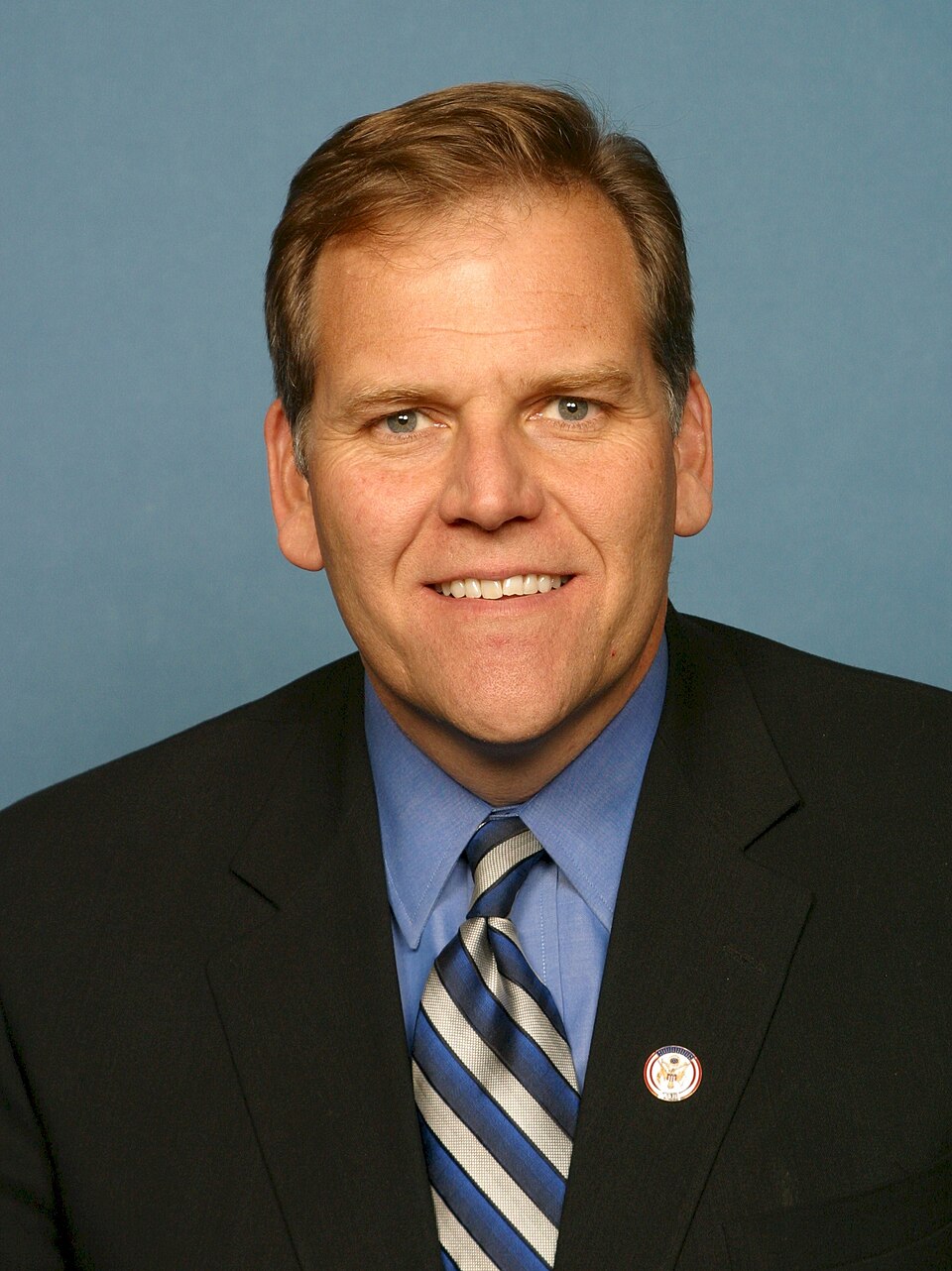
Wikimedia CommonsSee file page
.jpg)
Abdul El-Sayed will face former Republican Rep. Mike Rogers for an open Senate seat.
Wikimedia CommonsSee file page 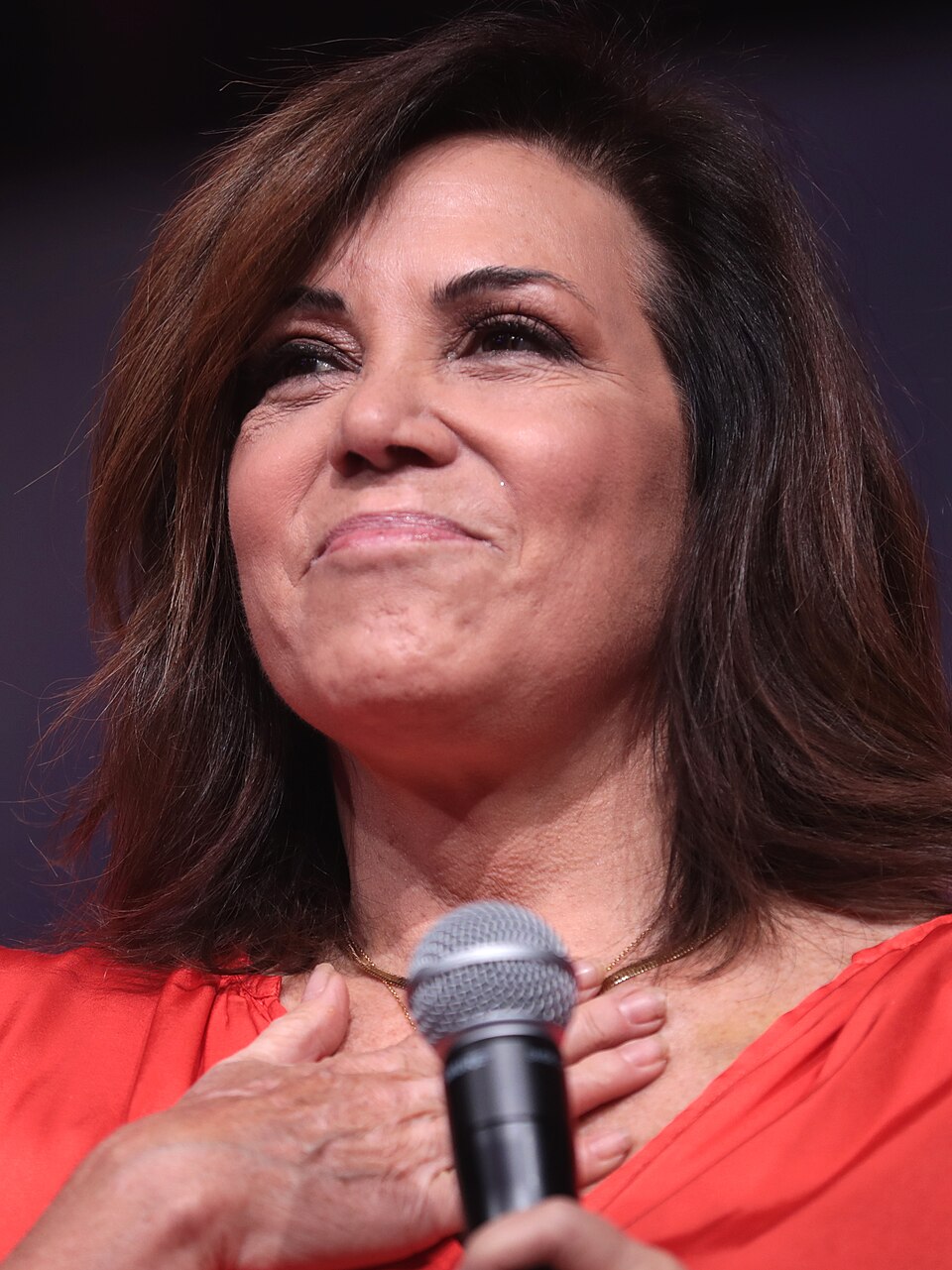
Wikimedia CommonsSee file page
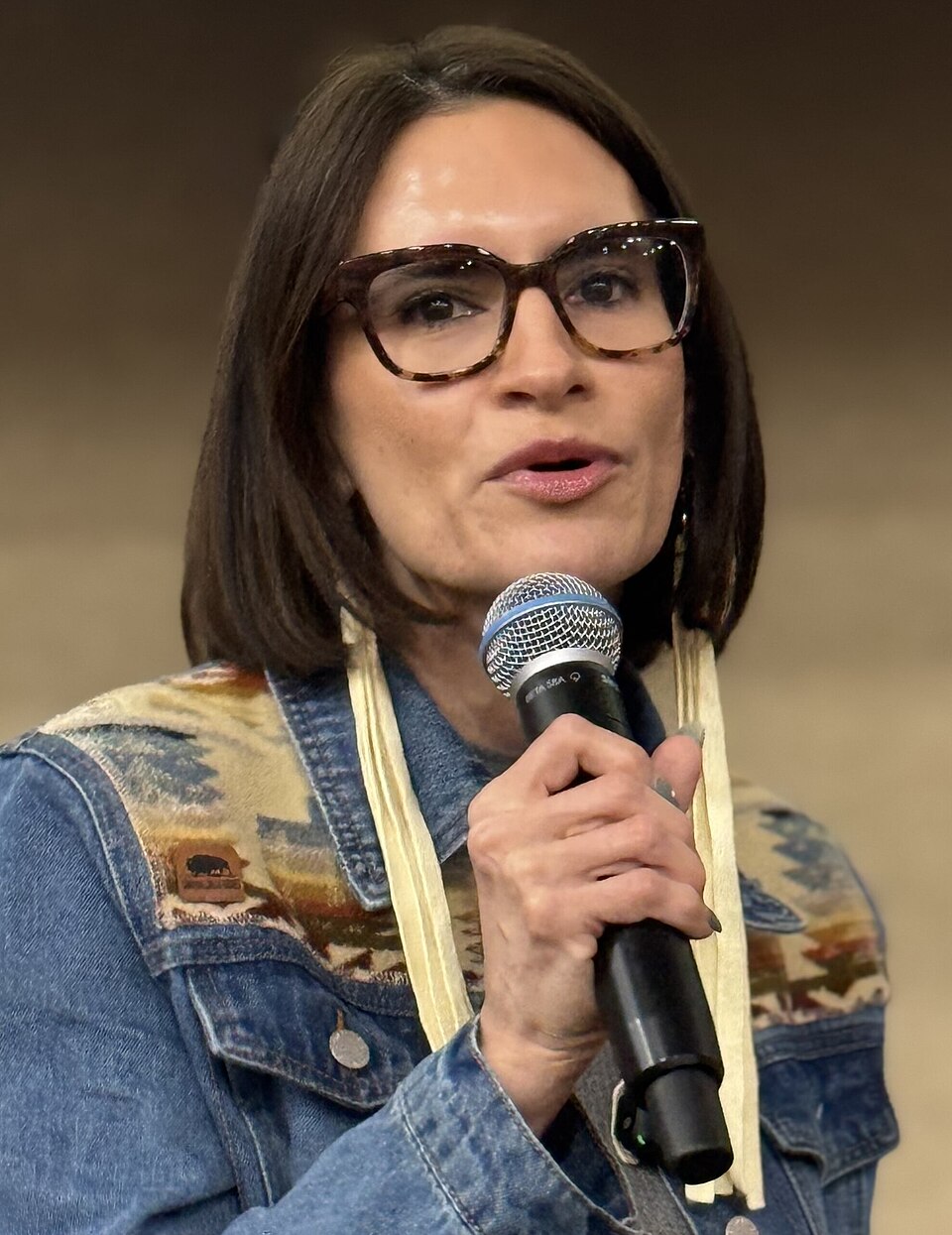
Democrat Peggy Flanagan and Republican Michele Tafoya are the nominees for Minnesota's open U.S. Senate seat.
Wikimedia CommonsSee file page No file photo yet
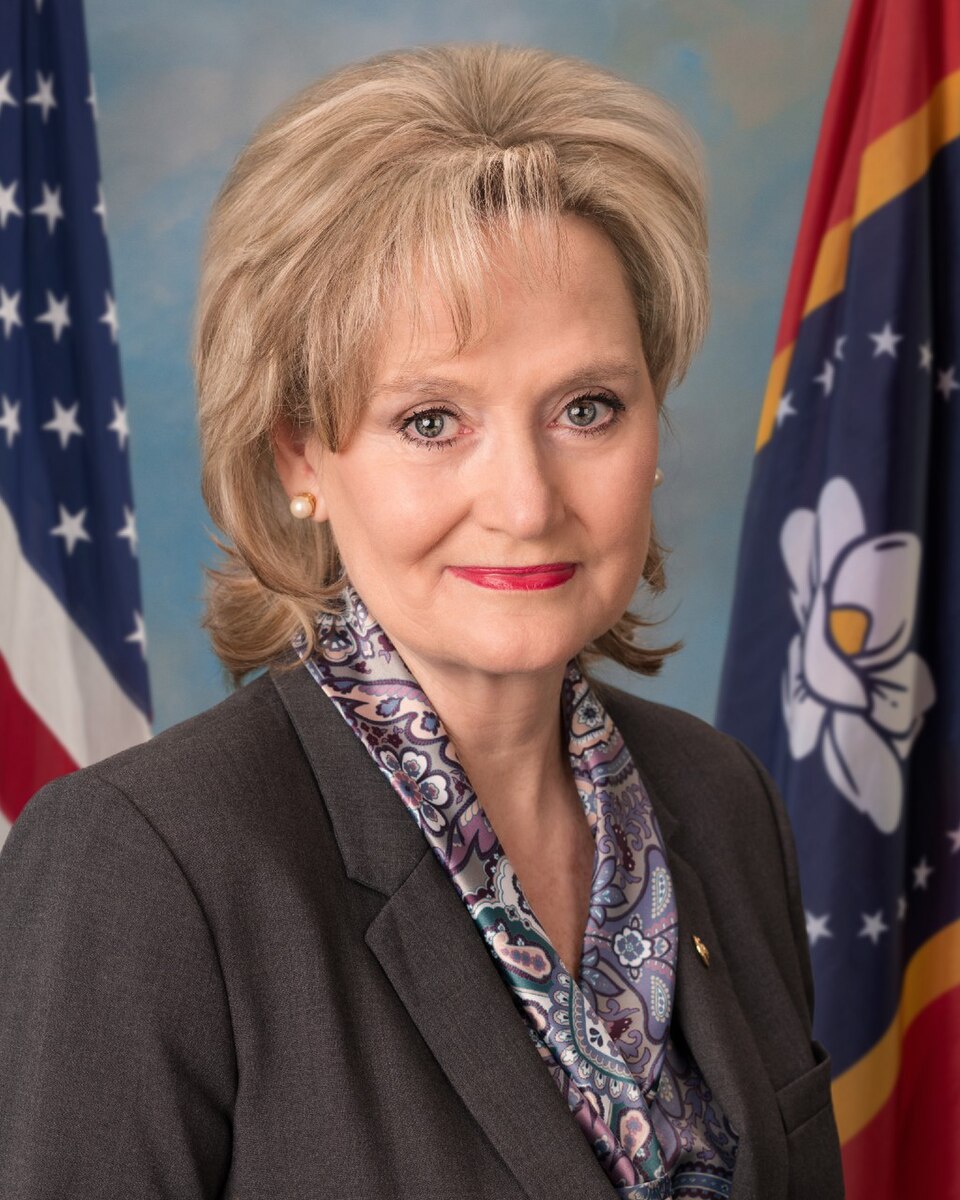
Republican Sen. Cindy Hyde-Smith will face Democratic nominee Scott Colom.
AntonioaesparzaCC BY-SA 4.0 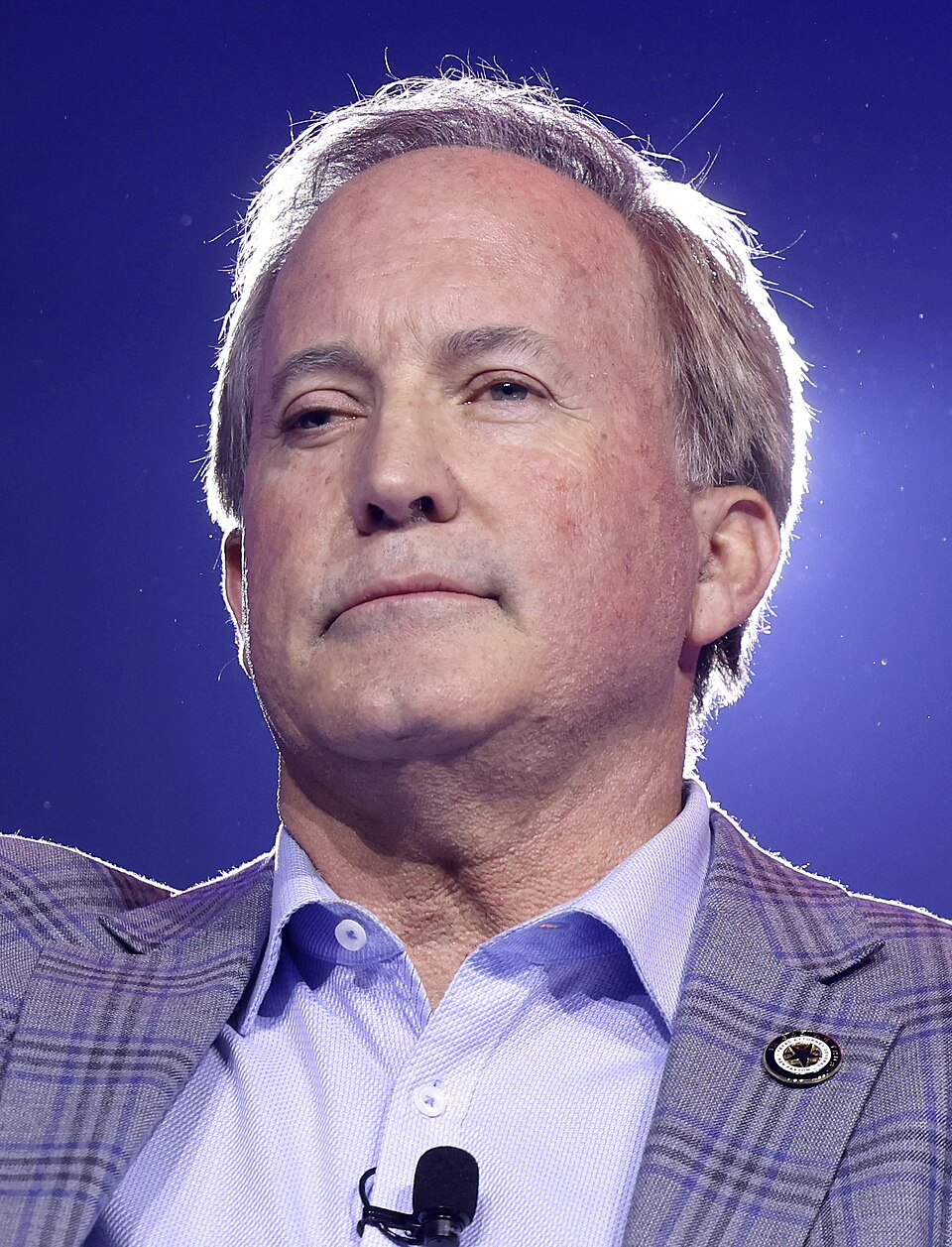
Wikimedia CommonsSee file page
.jpg)
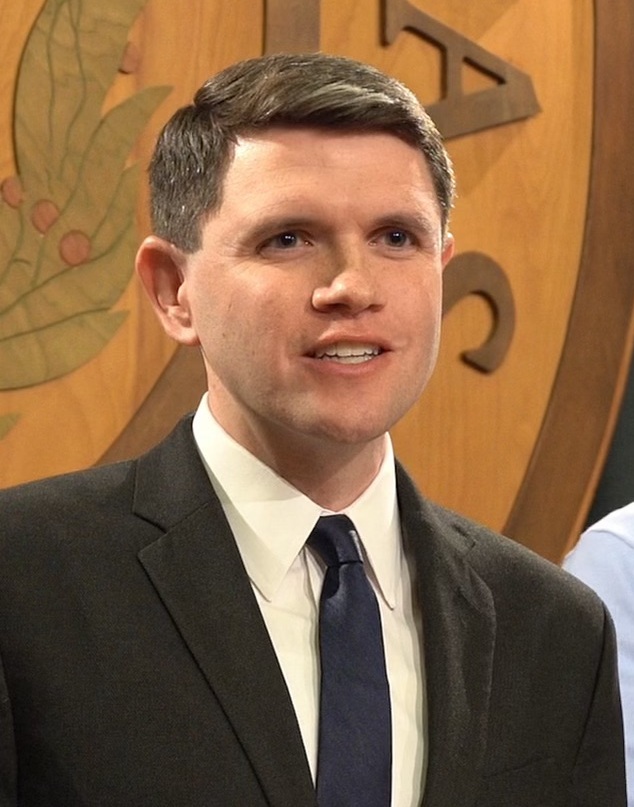
Democratic state Rep. James Talarico will face Republican Attorney General Ken Paxton.
House6 races · Open
House · Special
California U.S. House District 14 special election
No file photo yet Aisha WahabDemNo file photo yet Melissa HernandezDem
The Associated Press projected state Sen. Aisha Wahab defeated fellow Democrat Melissa Hernandez, 53 percent to 47 percent with more than 95 percent counted, to finish former Rep. Eric Swalwell's term through Jan. 3. Alameda County's unofficial count and this AP call are not the same as county or state certification.
House · Special
Georgia U.S. House District 13 special runoff
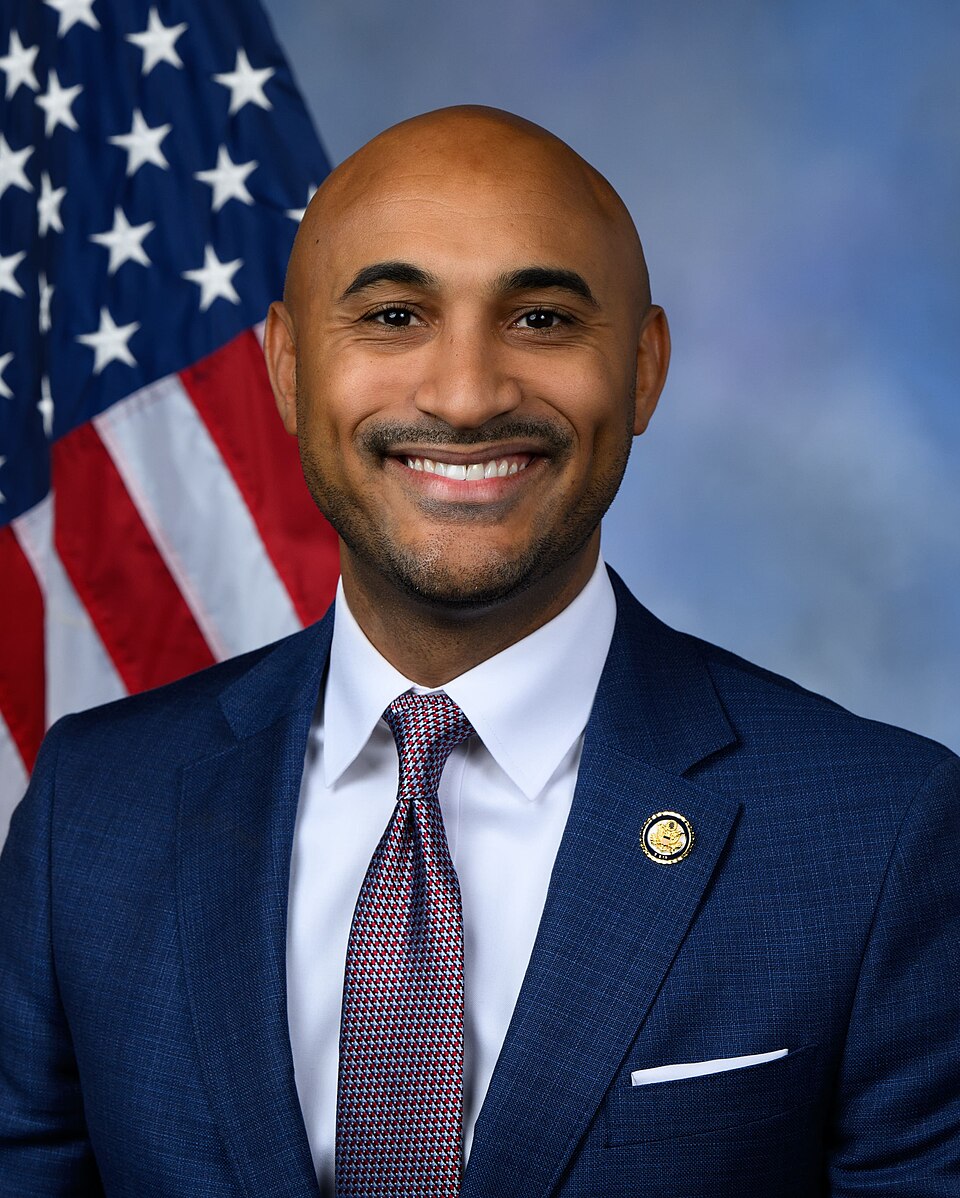
No file photo yet Everton BlairDemNo file photo yet Marcye ScottDem
The Associated Press projected that Everton Blair defeated Marcye Scott in Georgia's 13th Congressional District special runoff election to serve the remainder of the late Rep. David Scott's term through January 2027.
Wikimedia CommonsSee file page 
Alabama LegislaturePublic domain

Democratic incumbent Shomari Figures will face Republican state Rep. Rhett Marques under a redrawn district map.
Dannel MalloyCC BY 2.0 No file photo yet
.jpg)
Democrat Luke Bronin will face Republican Amy Chai after defeating 14-term incumbent John Larson in the primary.
Wikimedia CommonsSee file page 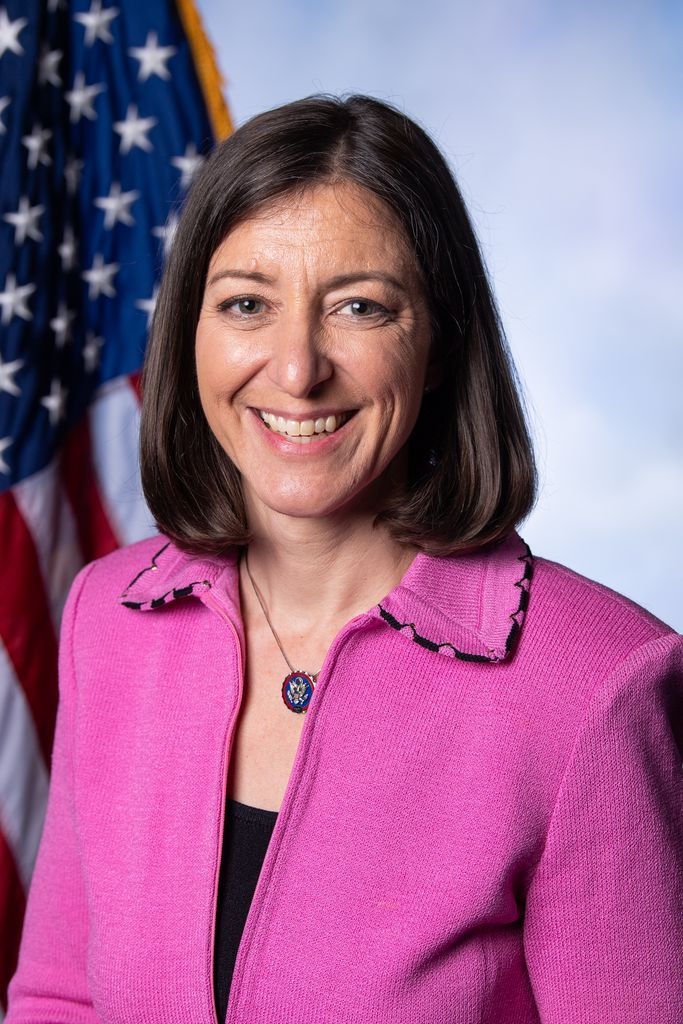
U.S. House of RepresentativesPublic domain

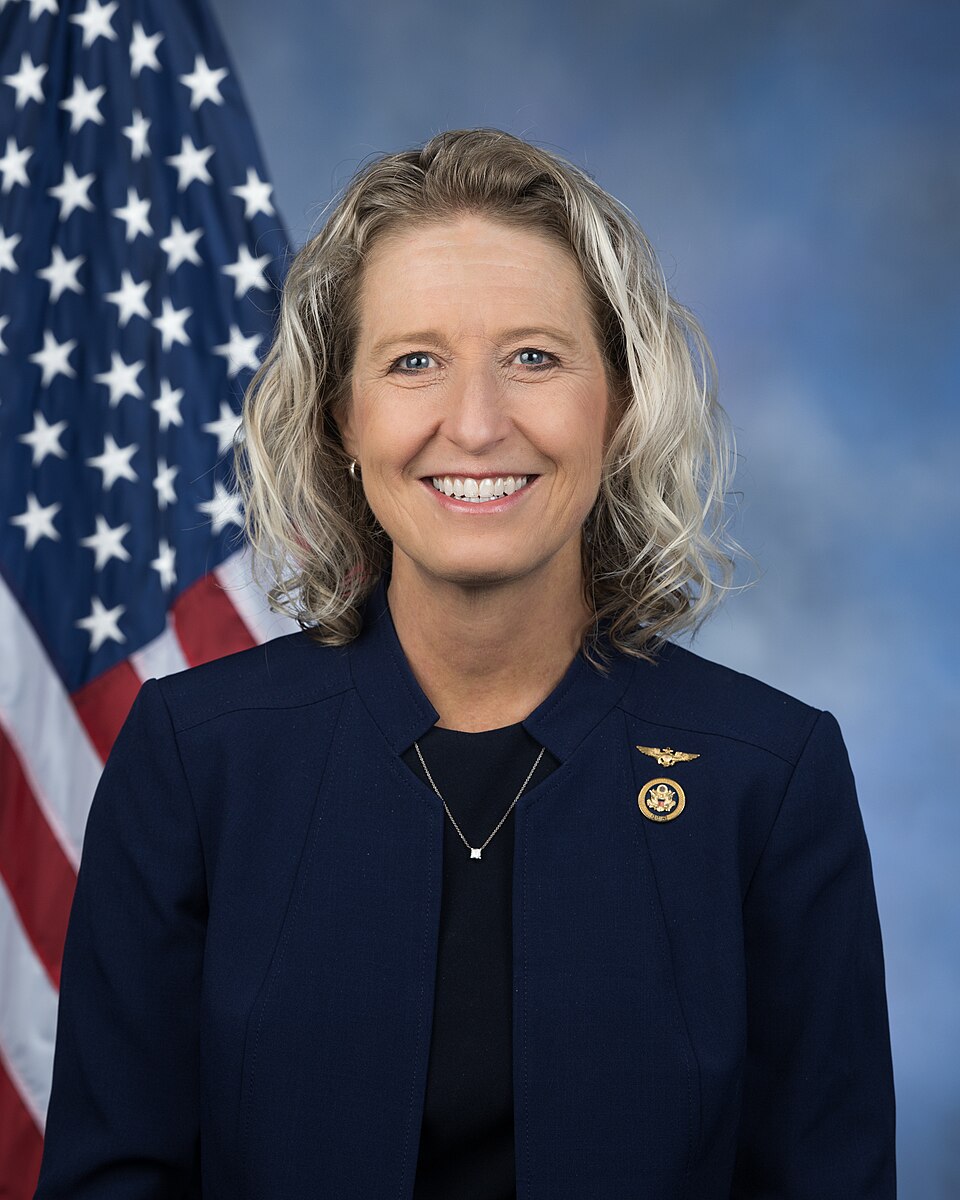
Republican Rep. Jen Kiggans will face former Democratic Rep. Elaine Luria in a rematch.
UpNorthNewsCC BY 4.0 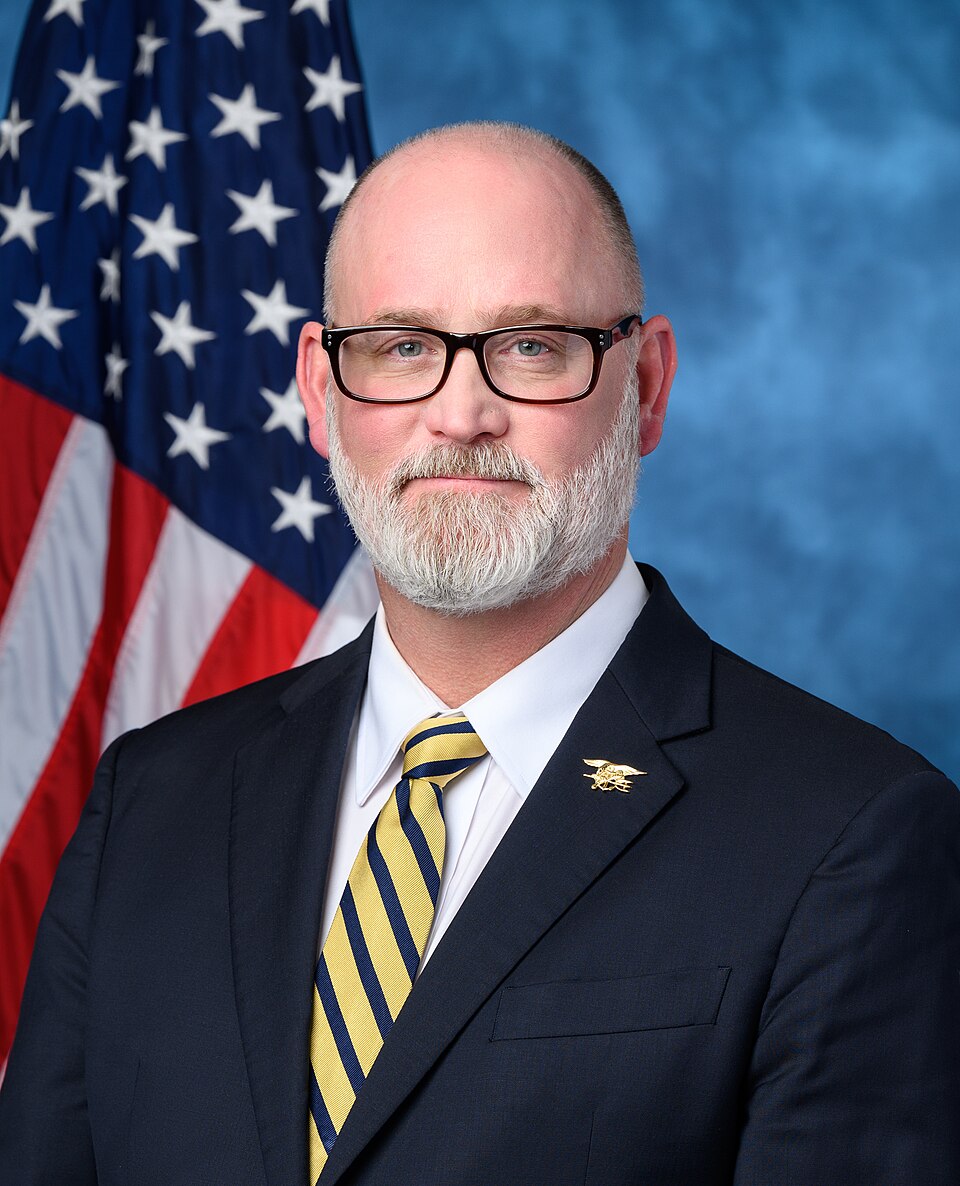
Wikimedia CommonsSee file page
.jpg)
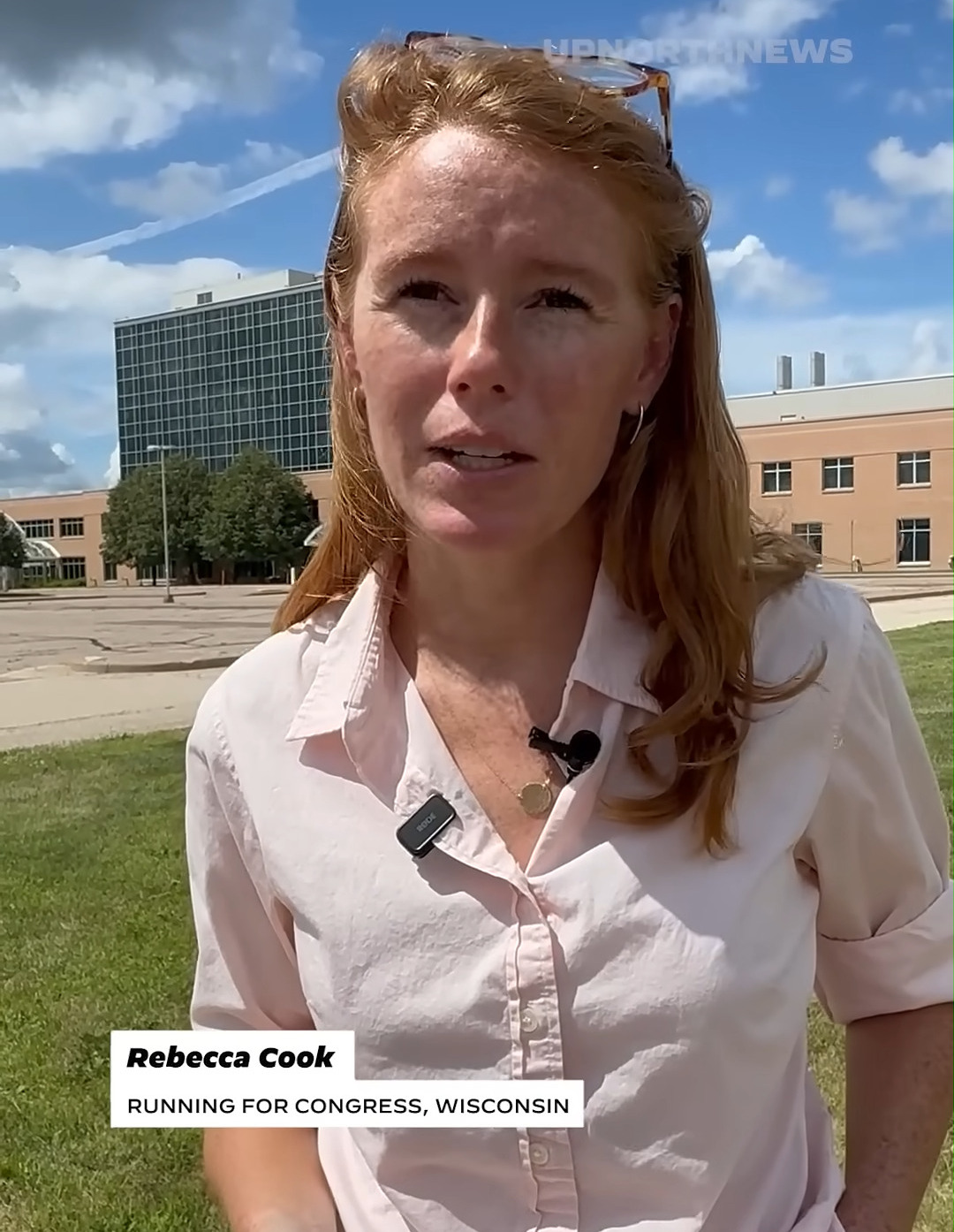
Democrat Rebecca Cooke will face Republican incumbent Derrick Van Orden in a November rematch.
Governor1 race · Open
Governor · General
Florida governor
U.S. House of RepresentativesPublic domain David JollyDem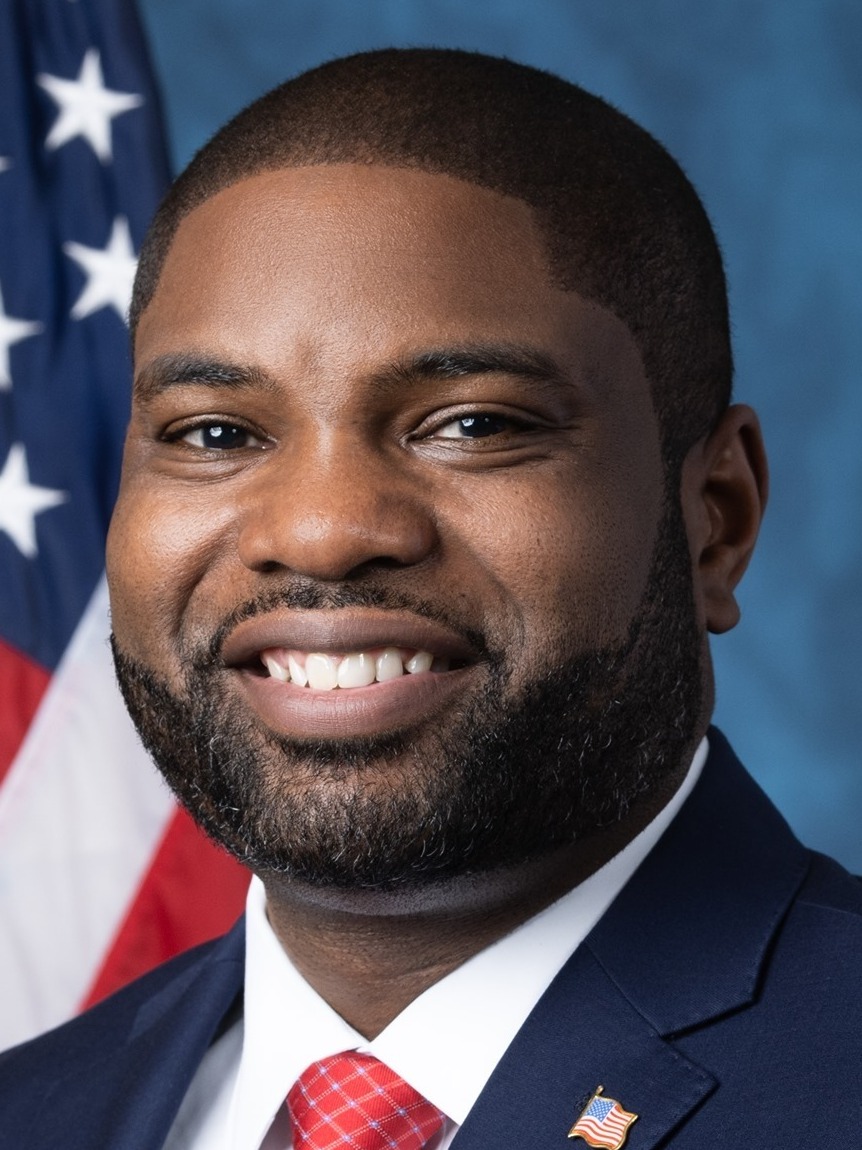
United States CongressPublic domain Byron DonaldsGOP

.jpg)
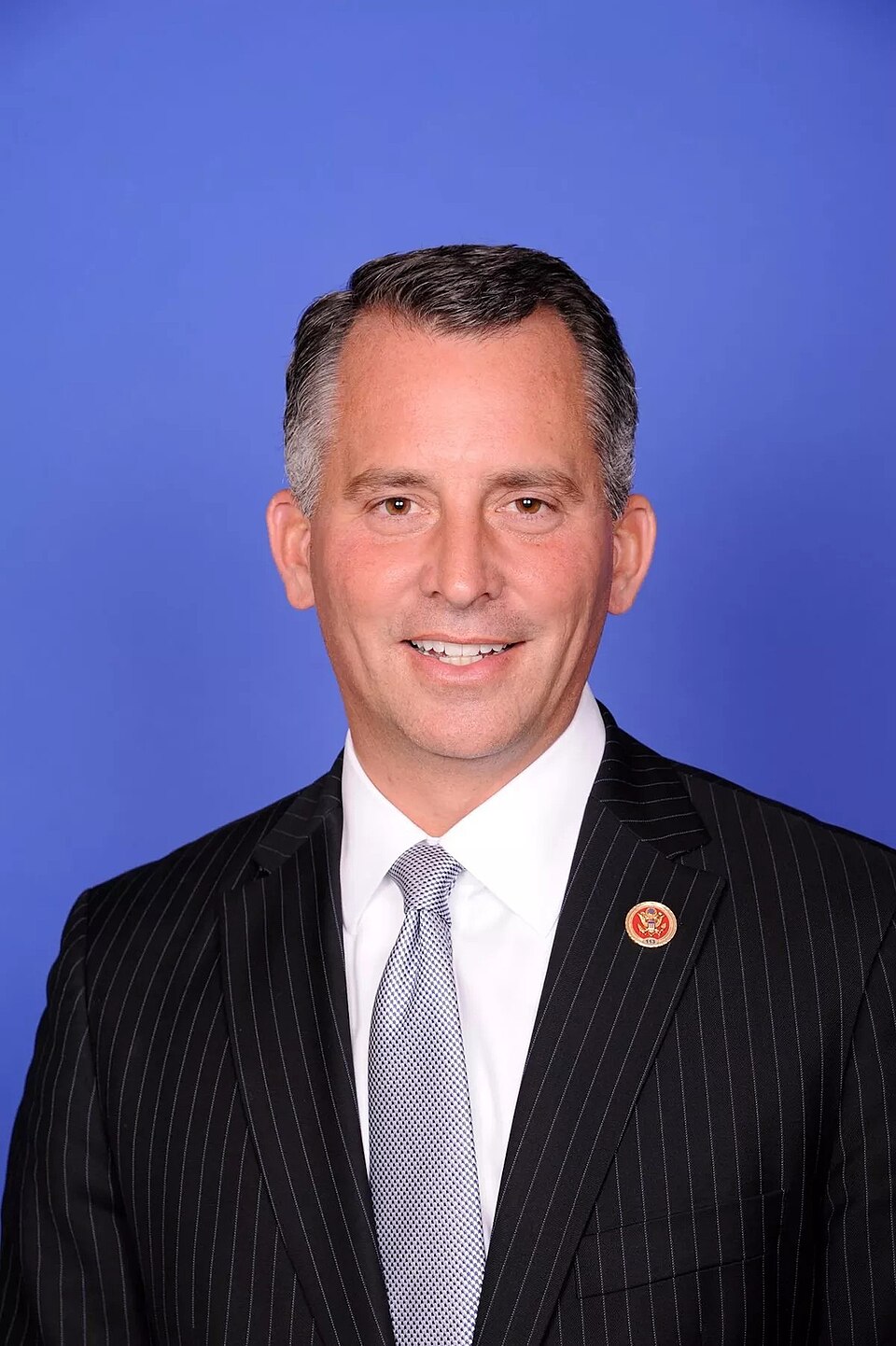
Associated Press said Byron Donalds won the Republican nomination and David Jolly won the Democratic nomination to replace term-limited Gov. Ron DeSantis. Florida Election Watch unofficial totals show Donalds at 47.8 percent and Jolly at 60.98 percent.
11 published polls
The polls, one release at a time
Each chart shows one pollster's sample. We do not calculate an average or forecast. Read the methodology note under the bars. How we treat polls
Emerson College Polling
· Likely voters · n=1,000 · ±3 pts
Democratic candidate +8
Previous release from this pollster: Democratic candidate +11.
A frequent release can be useful without representing the whole country. Keep its population, dates, and margin of error attached.
Ipsos
· Registered voters · n=876 · ±3.4 pts
Democratic candidate +5
A large sample can narrow the stated sampling error, but it does not erase differences between online and telephone methods.
Beacon Research / Shaw and Company Research
· Registered voters · n=1,000 · ±3 pts
Troy Jackson +2
Earlier polls (8)
Beacon Research / Shaw and Company Research
· Registered voters · n=1,006 · ±3 pts
Mike Rogers +4
Emerson College Polling
· Likely voters · n=1,000 · ±3 pts
Ken Paxton +1
A frequent release can be useful without representing the whole country. Keep its population, dates, and margin of error attached.
YouGov
· Registered voters · n=1,420 · ±3.2 pts
The Democratic Party candidate +6
This is an online panel of registered voters, not a likely-voter telephone survey. Compare like with like.
Marquette Law School Poll
· Likely voters · n=572 · ±4.4 pts
Democratic candidate +6
Previous release from this pollster: Democratic candidate +8.
The methods are unusually transparent, but one release is still one measurement. Compare its dates and sample population with the others.
Quinnipiac University Poll
· Registered voters · n=963 · ±4.1 pts
Democratic Party +7
Compare it with other live-interviewer surveys before comparing it with automated calls or online panels.
Emerson College Polling
· Likely voters · n=1,100 · ±2.9 pts
Democratic candidate +11
A frequent release can be useful without representing the whole country. Keep its population, dates, and margin of error attached.
Rasmussen Reports
· Likely voters · n=2,224 · ±2 pts
Democratic candidate +4
Its automated-call and web method differs from Marquette's. A disagreement can reflect recurring pollster and sample differences, not a hidden official count.
Marquette Law School Poll
· Likely voters · n not stated · MOE not stated
Democratic candidate +8
The methods are unusually transparent, but one release is still one measurement. Compare its dates and sample population with the others.
6 fault lines · checked Aug 20, 2026
Broad left and right, issue by issue
The closest responsible equivalent to an “average” view: a dated editorial synthesis of recurring positions in the main Democratic and Republican coalitions, checked against current partisan polling. It is not a mathematical average, and neither side is uniform. How this works
Issue
Cost of living
Broad leftCut household bills and challenge concentrated powerBroad rightUse tax relief, domestic energy, choice, and less regulationBroad left baseline
The broad Democratic coalition argues that affordability requires rolling back tariffs, extending health-insurance help, lowering drug, housing, energy, and care costs, and strengthening workers rather than relying mainly on tax cuts.Full argument, internal differences, and sourcesBroad right baseline
The broad Republican coalition argues that lower taxes, more energy production, spending restraint, deregulation, and consumer choice will lower costs more durably than new subsidies or federal programs.Issue
Immigration and enforcement
Broad leftSecure the border, narrow enforcement, expand lawful routesBroad rightEnforce the border first and remove policy loopholesBroad left baseline
The broad Democratic coalition supports border staffing and technology but argues for targeted, accountable enforcement, faster case processing, legal migration, and durable status for Dreamers rather than mass or indiscriminate enforcement.Full argument, internal differences, and sourcesBroad right baseline
The broad Republican coalition supports more ICE and Border Patrol capacity, stricter asylum and parole rules, deportation, and penalties for sanctuary policies; its hardest-line wing also calls for pausing or reducing legal immigration.Issue
Health care
Broad leftProtect and expand coverage, then bargain down pricesBroad rightExpand choice, savings accounts, and price competitionBroad left baseline
The broad Democratic coalition supports restoring Medicaid and Medicare coverage, extending ACA assistance, limiting out-of-pocket and drug costs, and protecting reproductive care; its progressive wing wants a path to universal public coverage.Full argument, internal differences, and sourcesBroad right baseline
The broad Republican coalition favors health savings accounts, more plan types, direct primary care, price transparency, tighter subsidy eligibility, and state flexibility instead of expanding federal coverage guarantees.Issue
Abortion
Broad leftRestore a national floor for reproductive choiceBroad rightProtect fetal life, with real disagreement over the ruleBroad left baseline
The broad Democratic coalition treats abortion as health care and personal liberty, supports nationwide access including medication abortion, and wants federal protection against restrictive state laws while also defending contraception and IVF.Full argument, internal differences, and sourcesBroad right baseline
The broad Republican coalition favors more abortion limits and describes the issue in terms of fetal life, but ranges from state-level restrictions and opposition to later abortion to religious conservatives who want abortion illegal in most cases.Issue
Voting rules
Broad leftProtect access and reject documentation trapsBroad rightRequire ID and citizenship proof to raise confidenceBroad left baseline
The broad Democratic coalition supports voting-rights enforcement, wider access, and election safeguards; many Democrats accept photo ID in principle but oppose proof-of-citizenship and voter-roll provisions they say could block eligible citizens.Full argument, internal differences, and sourcesBroad right baseline
The broad Republican coalition supports nationwide photo ID, documentary proof of citizenship for registration, cleaner voter rolls, and tighter mail-voting rules, describing them as baseline election-security measures.Issue
Iran war and foreign policy
Broad leftEnd or constrain the war and restore Congress's roleBroad rightBack force against Iran, but argue over duration and costBroad left baseline
The broad Democratic coalition argues that the military campaign lacked proper congressional authorization, should be curtailed through war-powers oversight and diplomacy, and is worsening household costs while competing with domestic priorities.Full argument, internal differences, and sourcesBroad right baseline
The broad Republican coalition is more supportive of the military campaign and an America First national-security posture, saying force can prevent a nuclear threat; a meaningful minority questions the war's results, duration, or price.
Full viewpoint sourcebookBroad-left and broad-right guides from named sources56 guides
56 splits · both columns every time
Broad-left and broad-right guides
Dated public argument clusters from named campaigns, officials, surveys, and outlets. The six baseline issues above are coalition syntheses; race and person cards describe current partisan reads. None is a score or a claim about every voter. How this works
Topics 12
TopicAbortionLeftRestore a national floor for reproductive choiceRightProtect fetal life, with real disagreement over the ruleTopicCost of livingLeftCut household bills and challenge concentrated powerRightUse tax relief, domestic energy, choice, and less regulationTopicGeneric ballotLeftA referendum number, not a trivia questionRightA vibe, not a mapTopicHealth careLeftProtect and expand coverage, then bargain down pricesRightExpand choice, savings accounts, and price competitionTopicHouse majorityLeftA thin Republican hold is a target, not a fortressRightThe majority is the majority until someone counts ballotsTopicImmigration and enforcementLeftSecure the border, narrow enforcement, expand lawful routesRightEnforce the border first and remove policy loopholesTopicIran war and foreign policyLeftEnd or constrain the war and restore Congress's roleRightBack force against Iran, but argue over duration and costTopicPrimary turnoutLeftEnergy you can countRightA loud primary is not a general electionTopicRedistrictingLeftThe map was the voter suppressionRightJudges drew a Democratic district and called it justiceTopicRunoffLeftLet them spend August on each otherRightThe nomination is the electionTopicSenate controlLeftFour net seats is the whole movieRightA 53-seat cushion is not a panicTopicVoting rulesLeftProtect access and reject documentation trapsRightRequire ID and citizenship proof to raise confidence
Institutions 11
InstitutionCNNLeftA live-interviewer poll from a TV networkRightAdults, a TV brand, and a blue monthInstitutionEconomist/YouGovLeftThe established online panelRightClicks are not a precinctInstitutionEmerson College PollingLeftWhen Emerson reports D+11, the left emphasizes itRightA frequent pollster having a Democratic monthInstitutionFederal Election CommissionLeftA referee that needs a spineRightA bureaucracy, not a morality playInstitutionFox NewsLeftA Fox poll the left will quote when it helpsRightThe network phone poll, not a confessionInstitutionMarquette Law School PollLeftThe transparent university pollRightA careful poll can still lean DemocraticInstitutionQuinnipiac University PollLeftA human asked another human, and Democrats ledRightRegistered voters are not NovemberInstitutionRasmussen ReportsLeftThe right-leaning pollster that still gets quotedRightThe pollster the right says was closer last timeInstitutionReuters/IpsosLeftA large sample is useful, but not an official countRightA huge sample can still reflect the online methodInstitutionU.S. HouseLeftA check on the presidency, if they can take itRightThe people's House is already doing the jobInstitutionU.S. SenateLeftConfirmations, courts, and a four-seat climbRightA chamber they already run
Races 11
RaceAlabama U.S. House District 2LeftThe map the court finally drewRightA court-made district, still a raceRaceConnecticut U.S. House District 1LeftNew voice, same blue districtRightA civil war, then a long-shot generalRaceGeorgia U.S. SenateLeftOssoff as the adult, Collins as the problemRightOssoff as the left flank in a Trump stateRaceMaine U.S. SenateLeftThe pickup that has to happenRightThe last New England Republican, still standingRaceMichigan U.S. SenateLeftA movement ticket against corporate moneyRightDSA energy in a state Democrats cannot donateRaceMinnesota U.S. SenateLeftA DFL state job they do not want to rent outRightAn open seat and a DFL fraud headacheRaceMississippi U.S. SenateLeftA map they were not supposed to visitRightA red seat with a tourist press corpsRaceSouth Carolina U.S. Senate Republican runoffLeftA family seat vs a hard-liner, and a Democrat already waitingRightContinuity and Trump vs the more conservative House memberRaceTexas U.S. SenateLeftCorruption as the only door into TexasRightA preacher-left Democrat in a Republican stateRaceVirginia U.S. House District 2LeftBring Luria back as a check on TrumpRightWe beat her onceRaceWisconsin U.S. House District 3LeftA rematch they already almost wonRightThe incumbent already beat her
People 22
PersonAbdul El-SayedLeftPeople over PACsRightThe primary winner who still has to win MichiganPersonAmy ChaiLeftThe other name on a Democratic ballot lineRightThe nominee in a district the party rarely visitsPersonCindy Hyde-SmithLeftThe incumbent the map was built to keepRightA Republican senator in a Republican statePersonDarline GrahamLeftThe appointment with a famous last nameRightTrump-adjacent continuity, not a dynasty jokePersonDerrick Van OrdenLeftA thin incumbent in a district they still wantRightThe guy who already won this racePersonElaine LuriaLeftThe commander who wants the seat backRightThe person voters already replacedPersonJames TalaricoLeftThe corruption prosecutor in a seminary sweaterRightOut-of-touch, and suddenly everywherePersonJen KiggansLeftThe 2022 winner who now owns Trump's HouseRightAlready beat this opponentPersonJon OssoffLeftThe incumbent who will say Trump is a failed presidentRightA national Democrat in a red-enough statePersonKen PaxtonLeftThe rap sheet as the platformRightThe survivor the base actually wantedPersonLuke BroninLeftThe mayor who ended a 27-year House leaseRightA primary assassin in a safe seatPersonMichele TafoyaLeftA famous voice asking for a freshman deskRightThe outsider they wanted on an open seatPersonMike CollinsLeftThe nominee Democrats wantedRightThe clearest contrast in the countryPersonMike RogersLeftThe corporation named RogersRightThe normal onePersonPeggy FlanaganLeftThe progressive who won the argument inside the partyRightThe lieutenant governor of the messPersonRalph NormanLeftThe House conservative in a family raceRightThe conservative who forced the runoffPersonRebecca CookeLeftThe second try with the national party behind herRightA rerun with a bigger checkbookPersonRhett MarquesLeftThe Republican in the new districtRightThe local Republican on a hostile mapPersonScott ColomLeftThe statewide Democrat they actually nominatedRightA nominee in a state that is not in playPersonShomari FiguresLeftThe incumbent the new lines were supposed to make possibleRightA product of the mapPersonSusan CollinsLeftThe moderate who votes like a majority-makerRightMaine's senator, not Washington's villainPersonTroy JacksonLeftThe logger they actually haveRightThe understudy
8 still ahead
Dates
Official election dates through the Nov. 3 general election.
Georgia · Special
Georgia House District 13 special runoff
Atlanta Journal-ConstitutionOklahoma · Runoff
Oklahoma runoff-primary election
Oklahoma State Election BoardSouth Carolina · Runoff
South Carolina Senate special runoff
Associated PressMassachusetts · Primary
Massachusetts congressional primary
Federal Election CommissionNew Hampshire · Primary
New Hampshire congressional primary
Federal Election CommissionRhode Island · Primary
Rhode Island congressional primary
Federal Election CommissionDelaware · Primary
Delaware congressional primary
Federal Election Commission
Later dates (1)
United States · General
Federal general election
Federal Election Commission
Counted
Results
Only sourced election returns appear here; polling remains separate.
Called
California U.S. House District 14 special election
- Aisha Wahab · Democratic51,610 · 53.09% · winner
- Melissa Hernandez · Democratic45,598 · 46.91%
- Reported by
- Alameda County Registrar of Voters
- Estimated reporting
- 323 of 323 precincts partially reported; preliminary and unofficial post-election update 1
- Race call
- Associated Press
- Official returns
- Not linked yet